
Introduction
Weight loss often feels complicated, especially when traditional foods are misunderstood or labeled unhealthy without proper context. In India, poha is one such staple that frequently sparks debate among health-conscious individuals. Many people trying to lose weight wonder whether this beloved breakfast dish supports their goals or sabotages them. The question “is poha good for weight loss” deserves a detailed and science-backed explanation rather than a simple yes or no.
Poha has been a part of Indian kitchens for generations. It is quick to prepare, light on the stomach, and deeply comforting. Yet, with the rise of low-carb diets and calorie counting, poha has sometimes been unfairly pushed aside. This article explores poha from every angle, including its nutritional value, calorie density, digestion, glycemic impact, and how it fits into a sustainable weight loss lifestyle.
Understanding food beyond numbers is essential. Weight loss is not just about eating less but about eating smart. When eaten correctly, poha can support satiety, energy levels, and long-term consistency, which are crucial for healthy fat loss. Let us take a deeper look and finally answer the question, is poha good for weight loss, with clarity and confidence.
What Is Poha and Why Is It So Popular
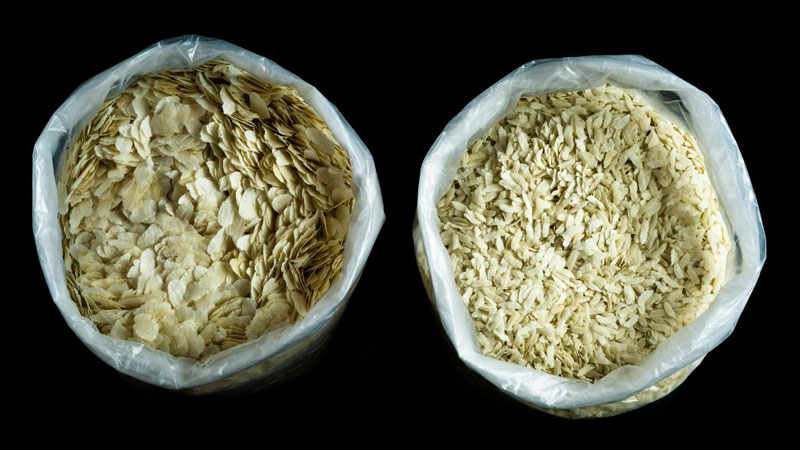
Poha is made from flattened rice, created by parboiling rice grains and then rolling them flat. This process makes the rice thinner, lighter, and easier to cook. Because poha requires minimal cooking time, it has become a popular breakfast option across many Indian states, especially Maharashtra, Madhya Pradesh, and Gujarat.
One reason poha is widely consumed is its versatility. It can be prepared in countless ways, ranging from simple onion and mustard seed tempering to vegetable-rich versions loaded with nutrients. Poha adapts easily to different taste preferences while remaining gentle on digestion.
From a cultural perspective, poha is often associated with comfort and tradition. It is commonly served to guests, eaten during fasting days with modifications, and considered a light yet satisfying meal. These qualities already hint at its suitability for weight-conscious individuals, but nutritional analysis provides deeper insights.
Nutritional Composition of Poha
To understand whether poha supports weight loss, its nutritional profile must be examined. Poha is primarily a carbohydrate-based food, but it also contains small amounts of protein, fiber, and essential micronutrients.
A standard serving of plain cooked poha provides moderate calories compared to many other Indian breakfast dishes. It contains iron due to the processing method, making it beneficial for individuals with low iron levels. Poha is also low in fat when cooked traditionally with minimal oil.
Carbohydrates in poha are complex rather than simple sugars. This means they are digested gradually, offering sustained energy rather than sudden spikes. When vegetables, peanuts, or sprouts are added thoughtfully, the nutritional density increases further.
Fiber content in poha may not be extremely high on its own, but it improves significantly when paired with vegetables like carrots, peas, beans, or cabbage. Fiber plays a major role in weight loss by improving digestion and prolonging fullness.
Calories in Poha and Their Role in Weight Loss

Calories often dominate weight loss conversations, and understandably so. Poha is relatively low in calories when compared to fried or heavily processed breakfast foods. A balanced serving of poha fits comfortably within a calorie-controlled diet.
The key lies in portion size and preparation. A lightly cooked bowl of poha using limited oil can be a calorie-efficient meal that keeps hunger at bay. Unlike calorie-dense foods that offer little satiety, poha provides volume and comfort, reducing the urge to snack soon after eating.
Many people fear carbohydrates when dieting, but cutting them entirely can lead to fatigue, mood swings, and poor adherence. Poha offers a controlled way to include carbohydrates without excess. This balanced energy intake helps maintain physical activity levels, which are crucial for fat loss.
Thus, when considering calories alone, poha does not hinder weight loss. Instead, it can support it when eaten in moderation and prepared mindfully.
Glycemic Index and Blood Sugar Response
Another important factor when evaluating if poha suits weight loss is its glycemic index. Foods with a high glycemic index can cause rapid blood sugar spikes, leading to hunger and cravings shortly after eating.
Poha has a moderate glycemic index, which means it raises blood sugar at a steady pace rather than sharply. This makes it more suitable than refined sugar-based breakfasts. When paired with fiber, protein, and healthy fats, the glycemic response becomes even more balanced.
Adding vegetables, peanuts, or a squeeze of lemon juice can further improve blood sugar control. Stable blood sugar levels are essential for weight loss because they reduce overeating and emotional eating triggered by energy crashes.
Therefore, from a glycemic perspective, poha aligns well with weight loss principles, especially when compared to sugary cereals or white bread-based breakfasts.
Digestibility and Gut Health Benefits
Digestive comfort is often overlooked in weight loss discussions. Foods that cause bloating, acidity, or heaviness can disrupt daily routines and reduce motivation to maintain a healthy lifestyle.
Poha is light and easy to digest, making it ideal for morning consumption. It does not strain the digestive system and is suitable for people with sensitive stomachs. A healthy gut supports efficient nutrient absorption and hormonal balance, both of which influence body weight.
Poha is often recommended during recovery from illness because of its gentle nature. This same quality makes it suitable for long-term weight management, where consistency matters more than extreme restrictions.
When digestion is smooth, the body is better equipped to regulate hunger hormones, leading to more natural portion control over time.
Satiety and Hunger Control
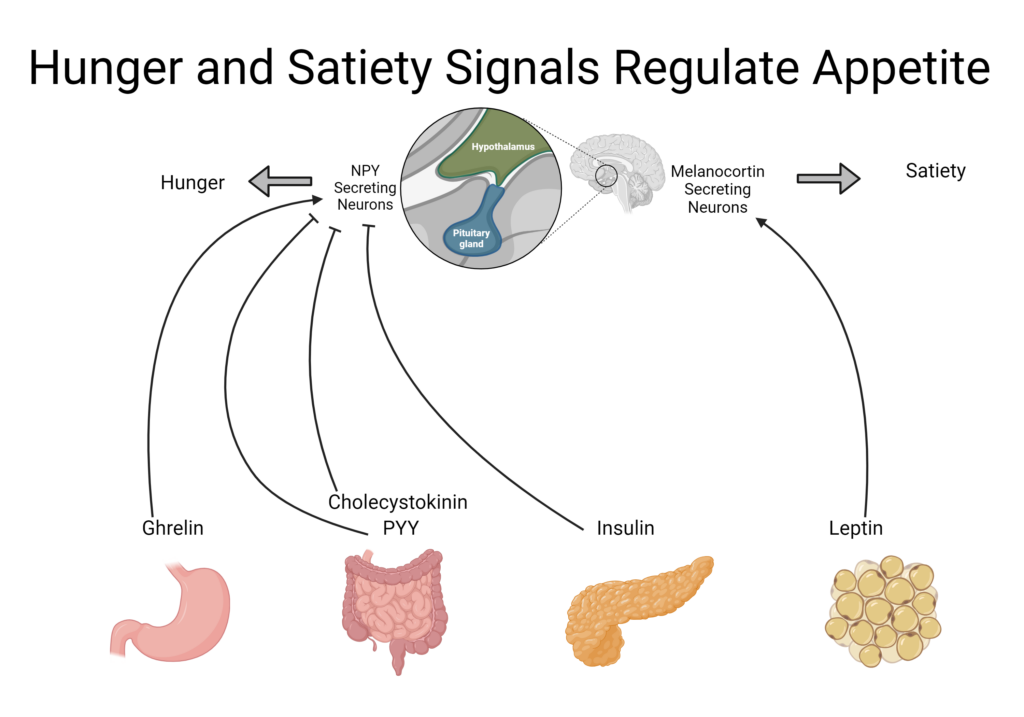
One of the biggest challenges in weight loss is managing hunger. Meals that leave you hungry shortly after eating often result in overeating later in the day.
Poha provides good satiety due to its volume and water absorption during cooking. A bowl of poha feels filling without being heavy. This psychological and physical fullness can prevent mid-morning snacking on high-calorie foods.
When poha is enriched with vegetables or a small amount of protein, its satiety factor improves further. Feeling satisfied after meals makes it easier to stick to a calorie deficit without feeling deprived.
This is a crucial reason many nutritionists consider poha a smart choice for people asking, is poha good for weight loss, especially when sustainability is the goal.
Best Time to Eat Poha for Weight Loss
Timing can influence how food impacts weight loss. Poha works best as a breakfast or early meal because it provides energy without heaviness. Eating poha in the morning helps fuel daily activities and prevents overeating later.
When consumed earlier in the day, carbohydrates are more likely to be used for energy rather than stored as fat. This aligns well with natural metabolic rhythms.
Poha can also be eaten as a light lunch option for people with sedentary routines, but it is generally better avoided late at night due to its carbohydrate content. Strategic timing enhances its benefits without compromising fat loss.
Common Mistakes That Reduce Poha’s Weight Loss Benefits
Despite its advantages, poha can become unhealthy if prepared incorrectly. Using excessive oil, adding large amounts of peanuts, or pairing it with sugary beverages can significantly increase calorie intake.
Another common mistake is eating oversized portions under the assumption that poha is always light. Portion awareness is essential, even with healthy foods.
Skipping vegetables reduces fiber content and satiety, making the meal less effective for weight loss. Overloading poha with processed toppings also undermines its nutritional balance.
Understanding these pitfalls helps ensure that poha remains supportive rather than counterproductive in a weight loss plan.
Comparison With Other Indian Breakfast Options
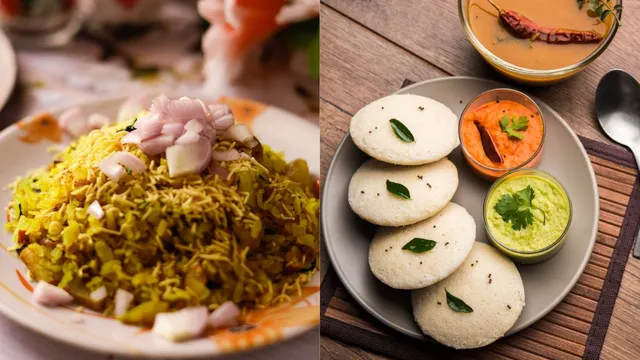
When compared to deep-fried snacks or refined flour-based dishes, poha stands out as a healthier option. It is less oily, easier to digest, and quicker to prepare.
Unlike heavy parathas or sugary breakfast items, poha offers balance rather than extremes. It neither overloads the body with calories nor deprives it of energy.
For individuals who prefer traditional Indian foods over Western diet trends, poha provides a practical solution that fits cultural habits while supporting weight goals.
This balance explains why many people exploring is poha good for weight loss find it easier to stick with poha than with restrictive diet foods.
Psychological Comfort and Diet Adherence
Weight loss success depends not only on nutrition but also on mental satisfaction. Diets that feel restrictive often fail because they are emotionally exhausting.
Poha offers comfort and familiarity, which reduces the feeling of dieting. Enjoying food while losing weight increases adherence and long-term success.
When meals feel enjoyable rather than forced, people are more likely to maintain healthy habits. Poha fits naturally into daily routines without requiring drastic lifestyle changes.
This emotional aspect plays a surprisingly powerful role in sustainable weight management.
Is Poha Good for Weight Loss for Everyone
Individual needs vary based on activity level, metabolism, and health conditions. While poha suits most people, those with specific medical concerns should adjust portions accordingly.
For highly active individuals, poha can provide necessary energy. For sedentary individuals, smaller portions paired with vegetables are ideal.
People managing blood sugar levels should focus on balanced preparation methods. Customization ensures poha supports individual goals rather than working against them.
Despite these variations, poha remains a flexible and adaptable food for weight-conscious individuals.
Conclusion: On Is Poha Good for Weight Loss
After examining calories, digestion, satiety, glycemic response, and lifestyle compatibility, the answer becomes clear. Is poha good for weight loss is not a myth-driven question but one rooted in understanding balance and preparation.
Poha can absolutely support weight loss when eaten in appropriate portions, prepared with minimal oil, and combined with vegetables or protein sources. It offers comfort, nourishment, and sustainability, which are often missing in modern diet plans.
Weight loss is not about eliminating traditional foods but about learning how to enjoy them wisely. Poha proves that simple, home-cooked meals still have a place in healthy living.
For those seeking realistic, culturally familiar, and effective weight loss solutions, poha stands as a strong ally rather than an obstacle.
When approached thoughtfully, the answer to is poha good for weight loss becomes a confident yes, backed by nutrition, experience, and long-term practicality.
Read More:- Is Sweet Potato Good for Weight Loss and Healthy Fat Burning